

30 Jun How Podcasters Can Get Speaking Opportunities at Conferences
Transform Your Podcast Authority Into Speaking Success
Are you a podcaster looking to elevate your audience and provide valuable information through keynote speaking opportunities?
Speaking opportunities represent the natural evolution for podcasters who’ve built content authority and industry expertise through consistent, valuable episodes.
With 584.1 million global podcast listeners creating unprecedented demand for authentic, experience-based speakers, the market has never been more favorable.
Your podcast already demonstrates the communication skills, subject matter expertise, and audience engagement abilities that event planners actively seek.
Now it’s time to take action! The gap between microphone and stage closes through strategic networking, professional presentation materials, and systematic relationship building.
Did you know: Conference networking generates 70% of speaking opportunities for successful podcaster speakers.
Getting Keynote Speaking Opportunities as a Podcaster
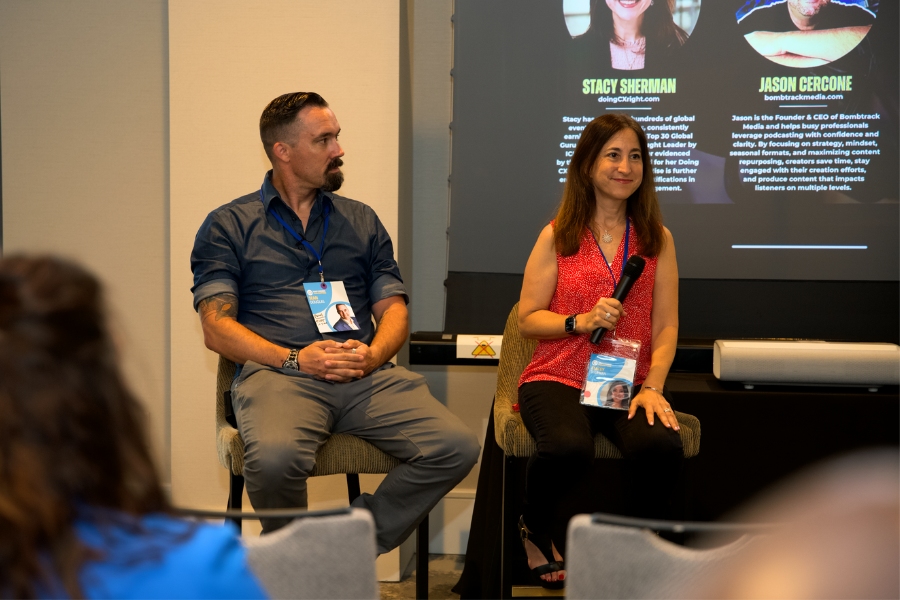
Podcasters like you possess unique advantages for securing conference speaking opportunities because your weekly or monthly content creation demonstrates consistent audience engagement, subject matter expertise, and communication skills that event organizers desperately need.
Conference organizers seek speakers who can deliver compelling presentations while attracting attendees to their events, making podcast hosts ideal candidates who’ve already proven their ability to captivate audiences week after week.
We’ll explore advanced networking tactics that go beyond basic social media outreach, reveal how to craft episode titles that double as keynote presentations, and share insider strategies for building relationships with event organizers and sponsors before applications even open.
You’ll discover systematic approaches for turning podcast content into conference gold, learn proven pitch frameworks that stand out from generic speaker submissions, and master the art of creating cascading speaking opportunities that build upon each other for long-term career growth.
Let’s dive into some of the tips and strategies.
Why Your Podcast Is Your Secret Weapon for Conference Speaking Success
Podcast hosts demonstrate weekly audience command through consistent content delivery, which immediately establishes credibility with event planners who assume successful podcasters maintain engaged listener bases.
Event organizers can’t see your download numbers, but they recognize that producing weekly episodes requires dedication, expertise, and communication skills—exactly what they need in conference speakers.
Your podcast serves as a living portfolio that showcases your speaking abilities, subject matter knowledge, and audience engagement techniques.
Unlike traditional speakers who rely on demo reels or written proposals, you’ve got dozens or hundreds of episodes proving your ability to educate, entertain, and inspire audiences consistently.
The psychological advantage you possess as a podcaster is significant.
Event planners think, “Why would someone continue podcasting weekly if it wasn’t working?” This assumption works in your favor, creating an instant credibility boost that non-podcasting speakers must work harder to achieve.
Conference organizers prioritize speakers who can promote events to their existing audiences, making podcasters valuable partners in event marketing efforts.
Your established platform provides immediate promotional value that helps organizers justify speaker selections to sponsors and stakeholders.
The Foundation: Building a Niche-Focused Podcast That Conference Organizers Notice
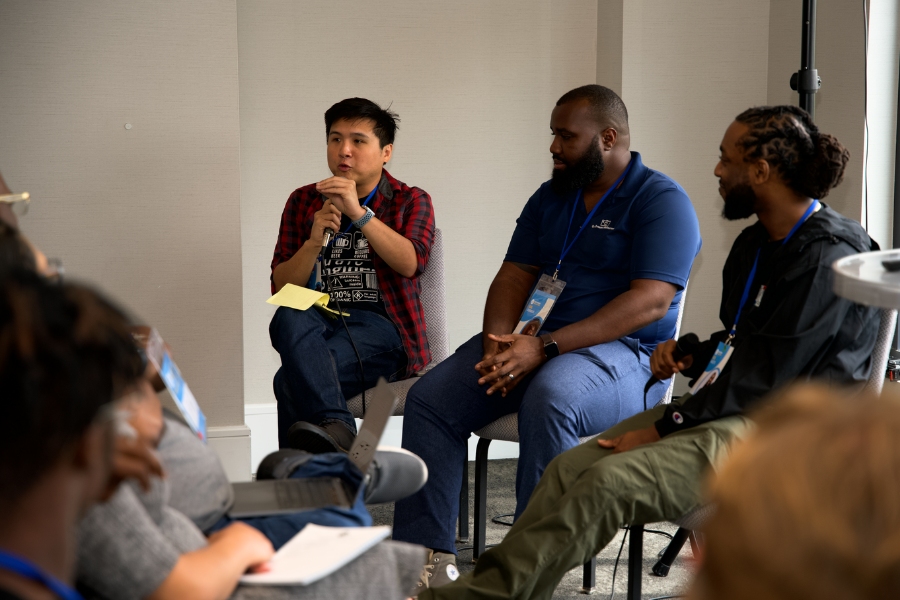
Specialized podcasts attract more speaking opportunities than generic interview shows because event organizers seek experts who offer unique perspectives rather than broad, unfocused content.
Generic interview podcasts struggle to attract speaking opportunities because they lack the focused expertise that conference themes require.
Organizers want speakers who can dive deep into specific topics, provide actionable insights, and offer fresh angles that haven’t been covered extensively.
Niche focus creates expertise positioning that makes you the obvious choice for relevant conferences in your field. When your podcast consistently explores specific aspects of your industry, you become synonymous with that expertise in organizers’ minds.
Consider these successful niche positioning examples:
- Design perspective on 3D printing technology
- Product development strategies for Amazon sellers
- Mental health knowledge for individuals seeking relationship guidance
- Marketing automation for service-based businesses
- Content creation workflows for creative entrepreneurs
- Leadership development for remote teams
Your niche doesn’t need to be incredibly narrow, but it should be specific enough that event organizers can immediately understand what unique value you bring to their audience.
Essential Speaker Assets Every Podcaster Needs to Create
Professional speaker materials demonstrate credibility and preparedness that separates serious candidates from casual applicants in conference selection processes.
Media kits should include speaker bio, professional headshots, topic expertise overview, and audience testimonials compiled into easily digestible formats that busy event planners can quickly review.
Your speaker reel becomes infinitely easier to create when you’ve got hours of podcast content to draw from.
Tip: Extract 3-5 minute segments showcasing your best storytelling moments, audience insights, and presentation skills.
Focus on clips where you’re explaining complex concepts clearly, sharing compelling case studies, or demonstrating your unique perspective on industry topics.
Speaker bios must emphasize podcast credibility alongside professional achievements by highlighting episode counts, audience size (if impressive), notable guests, and industry recognition your show has received.
Don’t just mention you host a podcast—frame it as ongoing market research and audience development that enhances your speaking value.
Don’t forget about your lovely smile!
Professional headshots for speakers require different considerations than typical business photos. You need images that convey authority, approachability, and energy suitable for marketing materials and conference programs.
Investment in quality photography pays dividends across all your professional endeavors.
Have you worked with brands, partners, or companies that can either voucher for the content of your podcast or a service you may offer?
Testimonials provide social proof from podcast guests, audience members, and previous speaking engagements that validate your expertise and presentation skills. Collect these systematically rather than scrambling to gather them when opportunities arise.
Identifying the Right Speaking Opportunities
Conference selection determines speaking opportunity quality and career advancement potential more than any other factor in your strategy. Target conferences should align with your podcast niche, audience demographics, and professional goals to maximize both immediate impact and long-term relationship building.
Research conferences systematically by examining past speaker lineups, attendee feedback, and sponsor involvement to gauge event quality and alignment with your expertise.
Don’t just look at conference websites—dig into social media conversations, attendee testimonials, and industry coverage to understand true event value.
Event timing affects application success rates significantly because many conferences plan speakers 6-18 months in advance.
Create a calendar tracking application deadlines, event dates, and follow-up opportunities to stay ahead of competition.
Consider these research criteria when evaluating potential conferences:
- Audience size and engagement levels
- Speaker compensation policies and travel coverage
- Professional development and networking opportunities
- Media coverage and industry recognition
- Alignment with your podcast topics and expertise
Virtual events offer additional opportunities with lower barriers to entry and reduced travel requirements, making them excellent starting points for building speaking experience and industry relationships.
Tip: Looking for a great indie podcasting conference that focuses on building community? Learn more about the Empowered Podcasting Conference.
Crafting Irresistible Speaker Pitches That Stand Out From the Crowd
Successful pitches address specific conference needs rather than generic speaker qualifications by demonstrating clear understanding of event goals, audience challenges, and programming requirements.
Event organizers receive hundreds of generic pitches that focus on speaker credentials rather than audience value, creating opportunities for thoughtful, customized proposals to stand out dramatically.
Your pitch must answer three critical questions immediately: What specific value will you deliver? How does your content align with conference themes? Why should organizers choose you over equally qualified speakers?
Pitch customization requires thorough research into conference history, previous speakers, audience feedback, and current industry challenges that your expertise can address.
Remember: Generic pitches get deleted—customized proposals that demonstrate genuine understanding of event needs get responses.
Follow-up sequences increase response rates significantly when executed professionally and persistently without becoming annoying.
Most speakers send one pitch and wait—successful speakers create systematic follow-up campaigns that provide additional value with each contact.
Advanced Networking Strategies: Building Relationships Before You Need Them

How many times have you heard that it’s not what you know, but who you know?
Strategic networking begins months before speaker applications open through systematic engagement with event communities, organizers, and industry influencers who shape conference programming decisions.
Relationship building creates speaking opportunities that bypass traditional application processes entirely.
Join Facebook groups, LinkedIn communities, and industry forums associated with target conferences long before you plan to apply. Contribute valuable insights, answer questions, and establish yourself as someone who adds value to community discussions.
Event organizers need ongoing community engagement between conferences to maintain audience interest and sponsor satisfaction. Position yourself as someone who helps solve this challenge by creating engagement, sharing valuable content, and facilitating meaningful discussions.
The most effective networking happens when you’re genuinely helping others rather than promoting yourself.
Share relevant podcast episodes that address community questions, introduce valuable connections, and provide insights that demonstrate your expertise naturally.
Social media engagement should focus on quality interactions rather than broadcast-style self-promotion that turns off potential collaborators.
Comment thoughtfully on organizer posts, share conference content with your audience, and create conversations around industry topics.
Leveraging Event Partnerships for Speaking Opportunities
Conference sponsors influence speaker selection more than most podcasters realize, making sponsor relationships valuable pathways to speaking opportunities.
Sponsors want visibility and engagement that skilled speakers can provide through audience interaction and content amplification.
Ask event organizers to introduce you to their most important sponsors for podcast interviews.
Sponsor interviews demonstrate your commitment to supporting events and providing value beyond just speaking, which significantly increases your attractiveness as a potential presenter. Document these interviews carefully and share them strategically within event communities.
When interviewing sponsors, ask about their event participation goals, what they hope to achieve through sponsorship, and why they chose to support specific conferences. This information helps you understand event dynamics while providing sponsors with valuable promotional content.
Third-party endorsements carry more weight than self-promotion when building speaking credibility. Sponsors who’ve had positive experiences with your content become powerful advocates for your speaking capabilities.
From Podcast Content to Conference Presentations: Repurposing Your Best Material

Not sure what you would talk about if a speaking opportunity presented itself? Just go back to your episodes and repurpose, repurpose, repurpose!
Podcast episodes often translate directly into presentation topics when you’ve structured your content around teachable moments and actionable insights that conference audiences value.
Content repurposing requires adaptation rather than direct transfer to account for different audience dynamics and engagement patterns.
Identify your most popular episodes, highest engagement topics, and content that generated significant listener feedback as starting points for presentation development.
Look for patterns in what resonates with your audience—these insights often translate well to conference settings.
Live presentations demand more interaction than podcast monologues, requiring you to transform one-way content delivery into engaging, participatory experiences that conference audiences expect.
Consider these adaptation strategies:
- Transform case studies into interactive workshops
- Convert interview insights into panel discussion topics
- Develop teaching frameworks from successful episode series
- Create audience polling around controversial topics you’ve covered
- Design breakout activities based on listener feedback and questions
Visual elements enhance podcast content significantly when presenting to live audiences who expect slides, graphics, and multimedia support that audio-only content doesn’t require.
Networking Like a Pro: Working Conference Communities Before Speaking Applications Open
Community engagement creates visibility that positions you as an obvious speaker choice when applications open because organizers already know your expertise and value contribution. Early engagement demonstrates genuine interest in supporting conferences rather than just extracting speaking opportunities.
Start following target conferences on social media, joining their communities, and participating in discussions 6-12 months before you plan to apply. This timeline allows you to build genuine relationships rather than appearing opportunistic.
Value-first networking builds authentic relationships that lead to speaking invitations, collaboration opportunities, and industry connections that extend far beyond individual conferences. Focus on helping others rather than promoting yourself.
Engage systematically by commenting thoughtfully on organizer posts, sharing valuable resources with community members, and asking insightful questions that generate discussion.
Avoid promotional content about your podcast until you’ve established credibility through helpful contributions.
Conference organizers notice consistent contributors who help maintain community engagement between events, making these individuals natural choices for speaking roles that require audience connection and community leadership.
The Application Process: Submitting Winning Speaker Proposals
Speaker applications succeed through strategic timing, compelling content, and professional presentation that demonstrates clear understanding of conference needs and audience expectations.
Application quality determines selection success more than speaker credentials alone.
Submit applications early in the selection window to demonstrate enthusiasm and professionalism while avoiding last-minute competition from procrastinating speakers. Early applications also receive more attention from selection committees who aren’t yet overwhelmed with submissions.
Proposal structure should follow proven frameworks that address selection criteria systematically while highlighting unique value propositions that differentiate you from other qualified candidates.
Your application must include:
- Clear session description with learning objectives
- Audience takeaway summary
- Speaker biography emphasizing relevant expertise
- Professional headshot and contact information
- Supporting materials (demo reel, testimonials, podcast examples)
Selection committees evaluate audience fit alongside speaker qualifications when making final decisions, so demonstrate clear understanding of attendee demographics, challenges, and interests throughout your application materials.
Building Your Speaking Reputation: From First Gig to Keynote Status
Speaking reputation develops through consistent excellence in smaller opportunities that create referrals, testimonials, and industry recognition leading to premium engagements.
Keynote opportunities result from proven track records rather than immediate podcast success alone.
Accept smaller speaking opportunities initially to build experience, collect testimonials, and establish relationships with event organizers who may book you for larger events or refer you to colleagues planning similar conferences.
Each speaking engagement should generate multiple future opportunities through audience connections, organizer referrals, and content that demonstrates your presentation skills to potential collaborators.
Documentation proves speaking success through photos, testimonials, audience feedback, and video clips that support future applications and demonstrate your ability to deliver exceptional value to conference audiences.
Maximizing Every Speaking Opportunity: Promotion and Follow-Up Strategies

Event promotion demonstrates your commitment to supporting conference success while building anticipation for your presentation among podcast audiences who might attend.
Cross-promotion benefits both podcasters and event organizers through increased visibility and audience engagement.
Announce speaking engagements across all your platforms, create countdown content leading up to events, and share behind-the-scenes insights that build excitement while demonstrating professionalism to organizers monitoring your promotional efforts.
Post-event follow-up creates lasting relationships with attendees, organizers, and other speakers who can facilitate future opportunities through referrals, collaborations, and industry connections.
Systematic follow-up should include:
- Thank you messages to organizers and sponsors
- Connection requests to meaningful contacts made
- Content sharing that extends event value
- Testimonial requests from satisfied attendees
- Relationship nurturing with potential collaborators
Speaking experiences provide podcast content through event recap episodes, attendee interviews, and industry insights gathered during conference participation that serve your audience while extending event value.
Common Mistakes Podcasters Make When Seeking Speaking Opportunities
Generic pitching fails because organizers need specific solutions rather than general expertise that doesn’t address their unique conference needs and audience challenges. Most podcasters submit identical proposals to multiple events without customization, immediately identifying themselves as amateur speakers.
Timing mistakes include waiting until application deadlines approach, missing early bird opportunities, and failing to build relationships before needing them for speaking purposes.
Unrealistic expectations damage long-term prospects when podcasters demand keynote slots without building speaking experience or expect immediate compensation before proving value to conference audiences.
Preparation oversights involve inadequate research into conference audiences, organizer priorities, and event dynamics that would inform more effective pitch strategies and relationship building approaches.
Follow-up failures waste initial relationship building when podcasters don’t maintain contact with organizers, fail to deliver promised materials, or disappear after events conclude without nurturing valuable connections made.
Turning Speaking Engagements Into Long-Term Business Growth
Strategic speaking generates multiple revenue streams beyond immediate speaking fees through lead generation, partnership opportunities, consultation requests, and authority building that attracts premium clients. Conference participation creates industry positioning that elevates your podcast, personal brand, and professional opportunities significantly.
Each speaking engagement should connect to broader business objectives rather than serving as isolated events that don’t contribute to systematic growth and development goals.
Lead nurturing systems convert conference connections into podcast listeners, consulting clients, and strategic partners who provide ongoing value beyond initial meeting circumstances.
Measure speaking ROI through multiple metrics including audience growth, business inquiries, partnership opportunities, media coverage, and industry recognition that compound over time to create substantial professional advancement.
Authority acceleration occurs when speaking expertise combines with podcast credibility to position you as a leading voice in your industry, attracting opportunities that might take years to develop through other professional development strategies.
The systematic approach to leveraging podcast expertise for conference speaking success requires patience, strategic thinking, and consistent execution—but the results transform both your speaking career and overall business growth in ways that justify the investment completely.
Take Action: Your Speaking Career Starts Now
Ready to jump headfirst into a fantastic speaking opportunity?
If you feel you have valuable information to pass on to hundreds of dedicated and passionate podcasters, you may be a great fit for the Empowered Podcasting Conference.
The Empowered Podcasting Conference is dedicated to providing a space for indie podcasters to find their tribe, network, and ultimately discover the best strategies to grow their podcast in authentic ways.
Click below to apply today.

Frequently Asked Questions about Podcasters Getting Speaking Opportunities
What qualifications do podcasters need to become professional speakers?
Podcasters need proven content expertise, consistent episode production, audience engagement metrics, and communication skills demonstrated through their show. No formal speaking certification is required—your podcast serves as your qualification portfolio for event planners.
How long does it typically take to book your first speaking engagement as a podcaster?
Most podcasters book their first speaking engagement within 6-12 months of active networking and relationship building. Timeline depends on conference attendance, industry connections, and media kit quality. Some secure opportunities within 3 months through existing relationships.
Do you need a large podcast audience to get speaking opportunities?
No—speaking opportunities depend more on expertise demonstration and networking than audience size. Event planners value content quality, industry knowledge, and communication skills over download numbers. Many successful speakers started with audiences under 1,000 listeners.
What’s the difference between speaker bureaus and direct booking for podcasters?
Speaker bureaus handle booking, negotiation, and logistics in exchange for 25-30% commission, while direct booking gives you full fee control but requires more administrative work. Bureaus provide access to larger events but typically require proven speaking experience first.
Should podcasters accept free speaking opportunities or only pursue paid engagements?
Strategic free speaking builds experience, relationships, and testimonials that lead to paid opportunities. Accept free engagements at target conferences, for potential clients, or when building specific industry relationships. Avoid free speaking that doesn’t advance career goals.
How do virtual speaking opportunities compare to in-person events for podcasters?
Virtual speaking typically pays 30-50% less than in-person events but eliminates travel costs and time investment. Many event planners now offer hybrid formats. Virtual presentations require different technical skills but allow global reach and scheduling flexibility.
What speaking topics work best for podcasters seeking their first opportunities?
Focus on your podcast’s core expertise areas rather than general speaking topics. Industry-specific knowledge, content creation strategies, audience building techniques, and emerging trends within your niche perform better than broad business or motivational topics.
How do podcasters handle speaker contract negotiations effectively?
Review fee structure, travel arrangements, technology requirements, and content ownership carefully. Negotiate payment timing (50% deposit standard), cancellation policies, and additional services. Use your podcast audience metrics to justify premium rates and terms.